
From the Road
Hilarity Ensues. (A pretty hefty post).


Hi All,
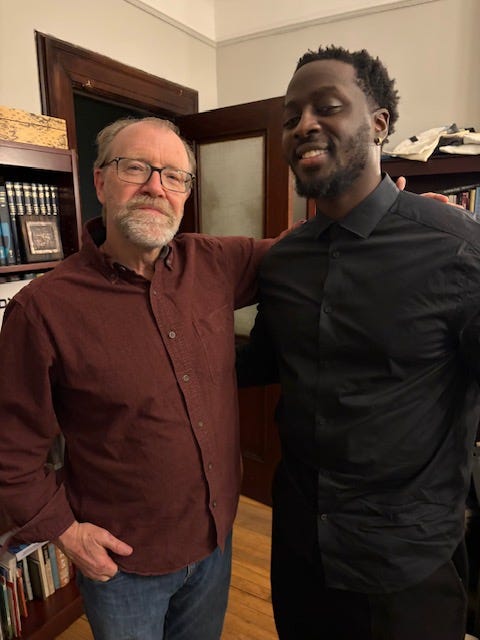
Writing from New York – had a jam-packed few days here and am about to do two more interviews this morning, then take the train to Philadelphia for an event there tonight. Much to tell (and I’ve included some photos at the end of the post) but will just say that I am having the time of my life, absorbing praise and criticism with equal aplomb (or at least trying to, ha ha), enjoying every moment, meeting so many generous people, including a bounty of Story Clubbers. Then on Thursday it’s off to Boston, then Nashville, then a day at home, and back out on the road after that.
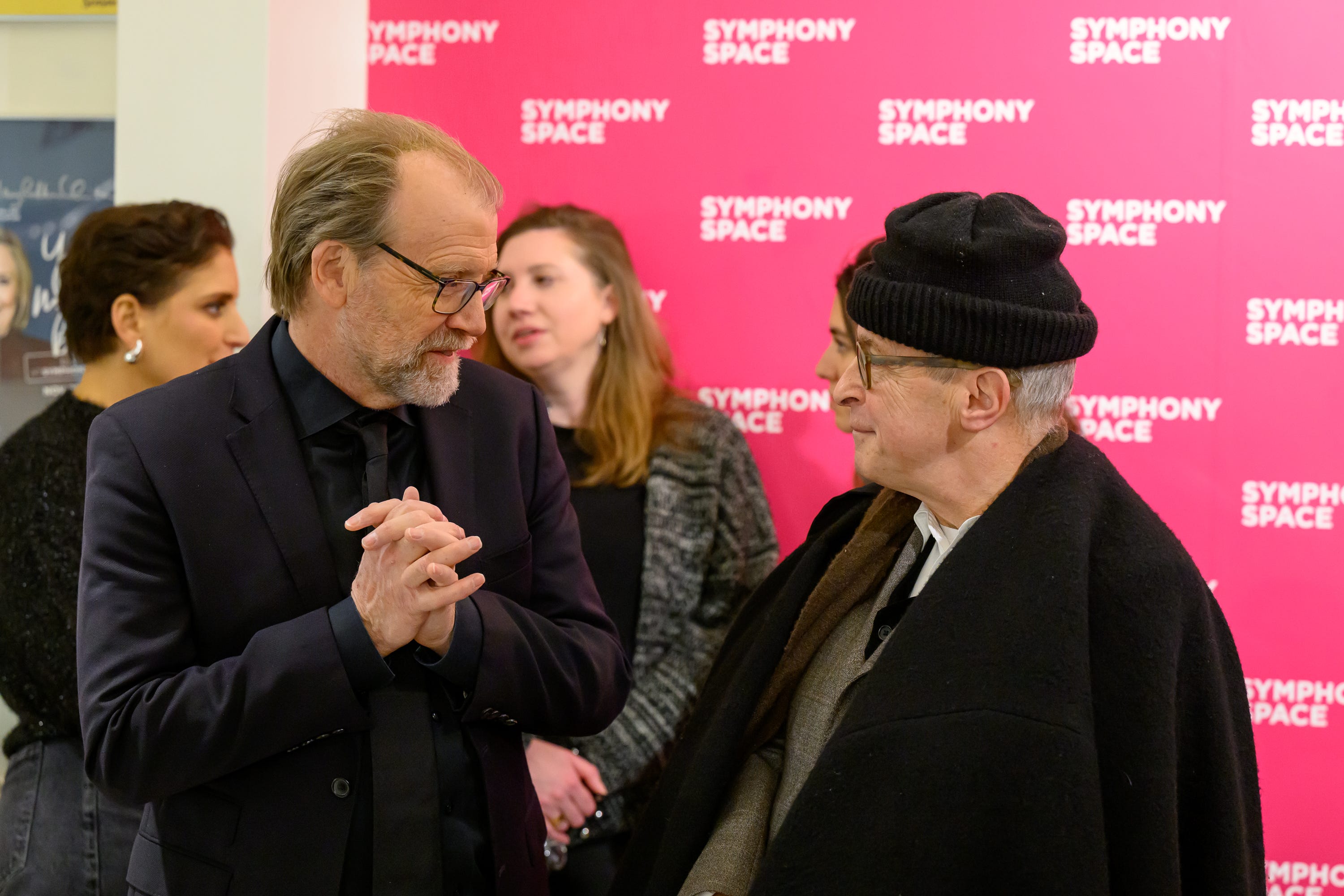
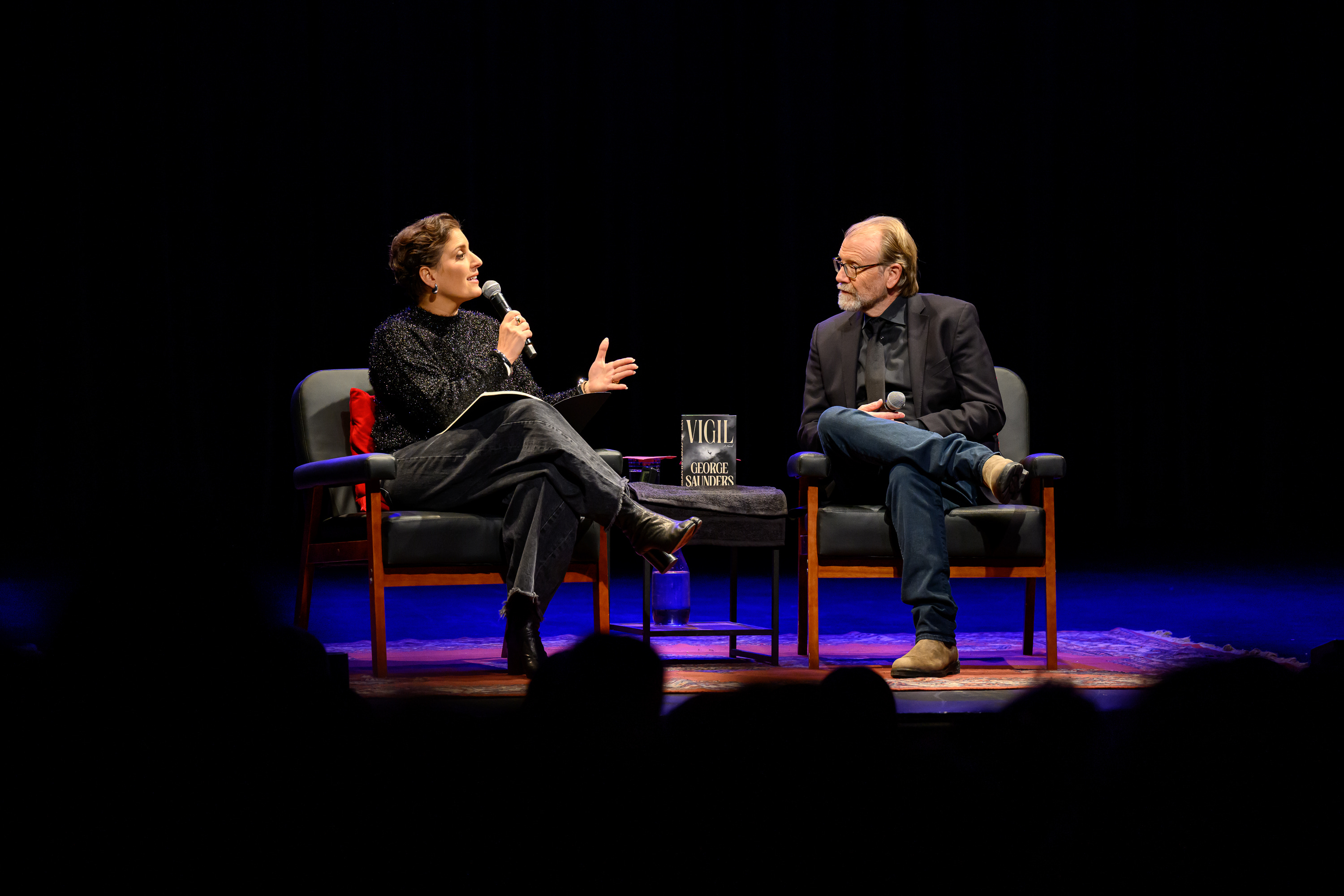
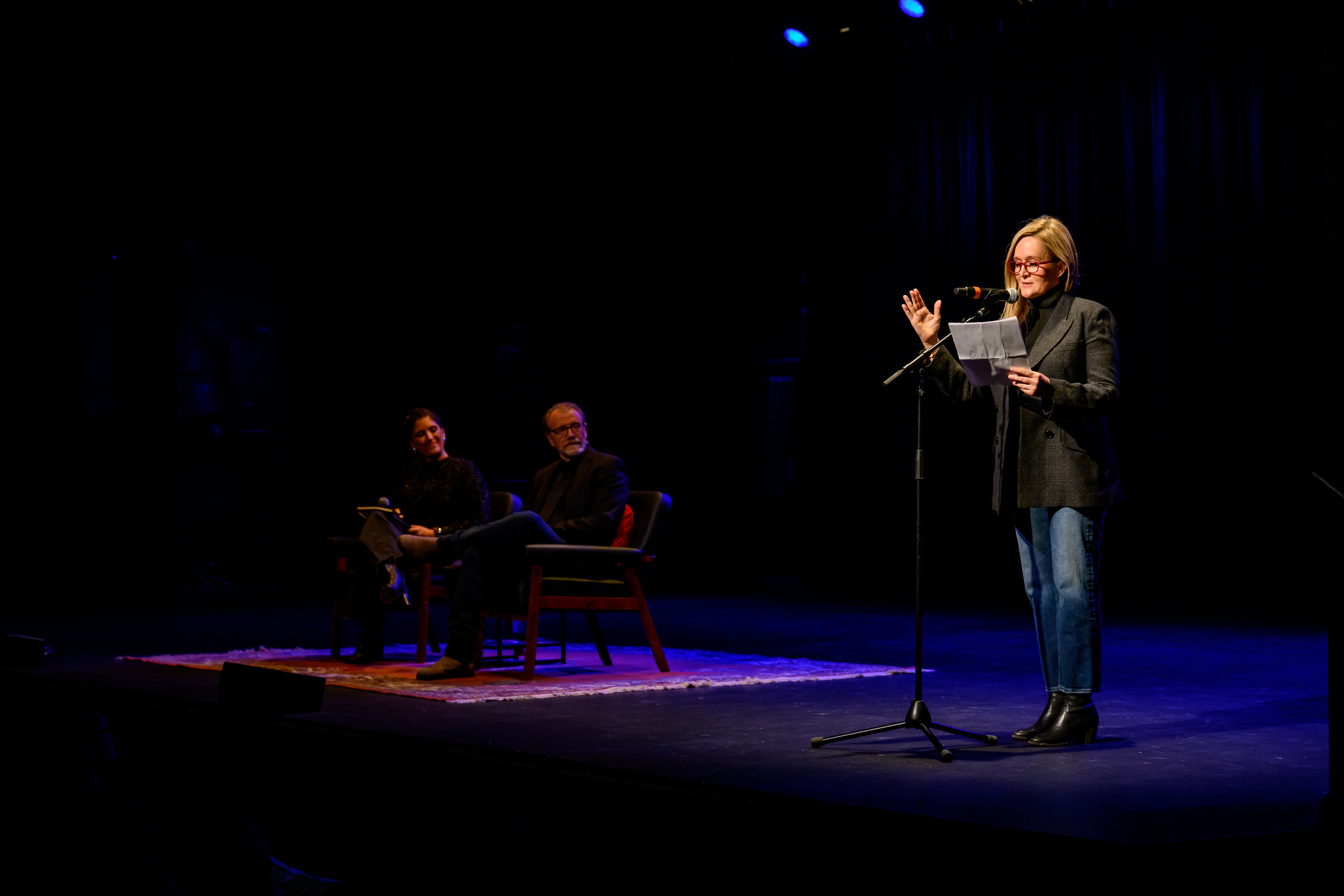
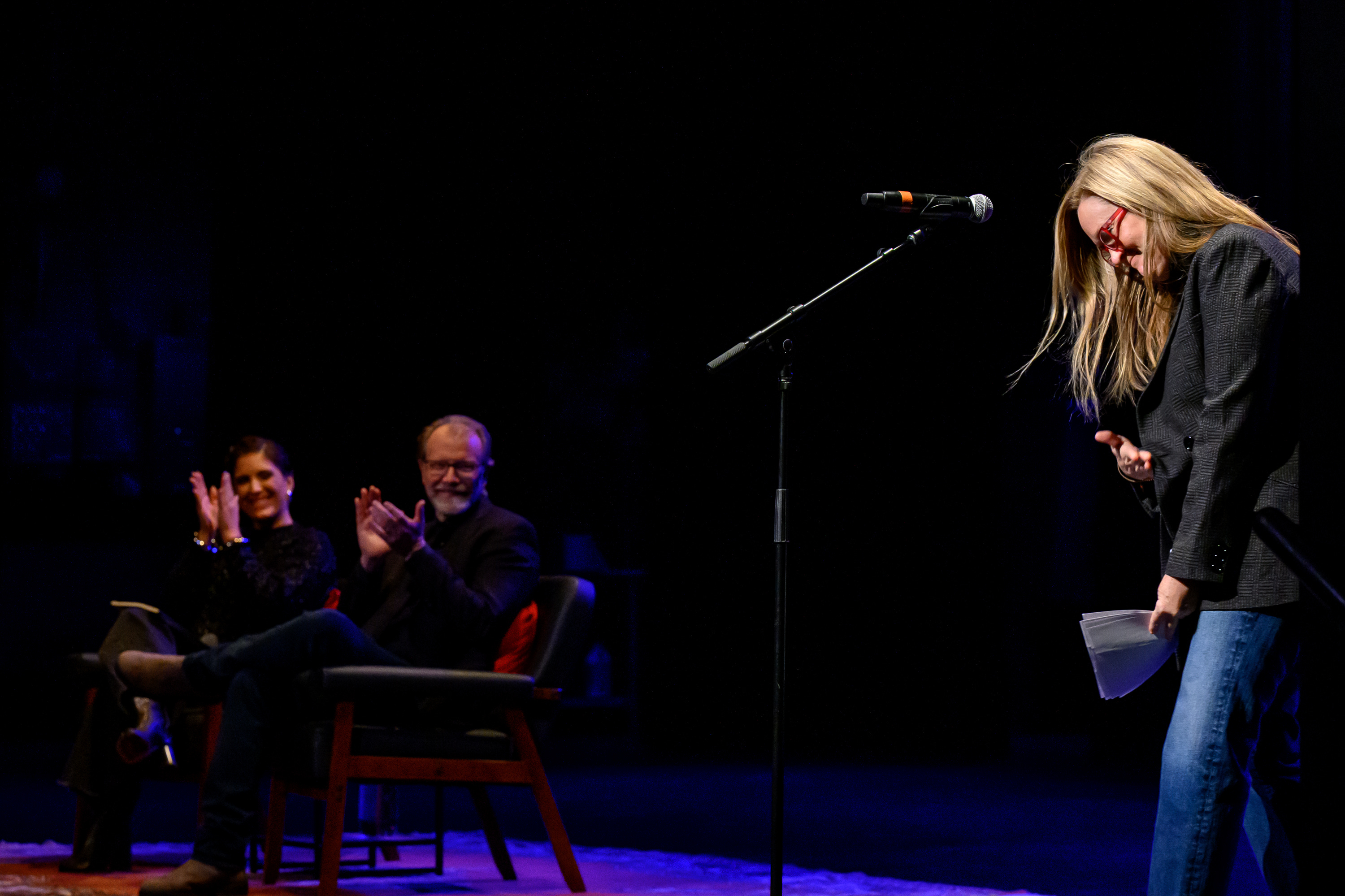
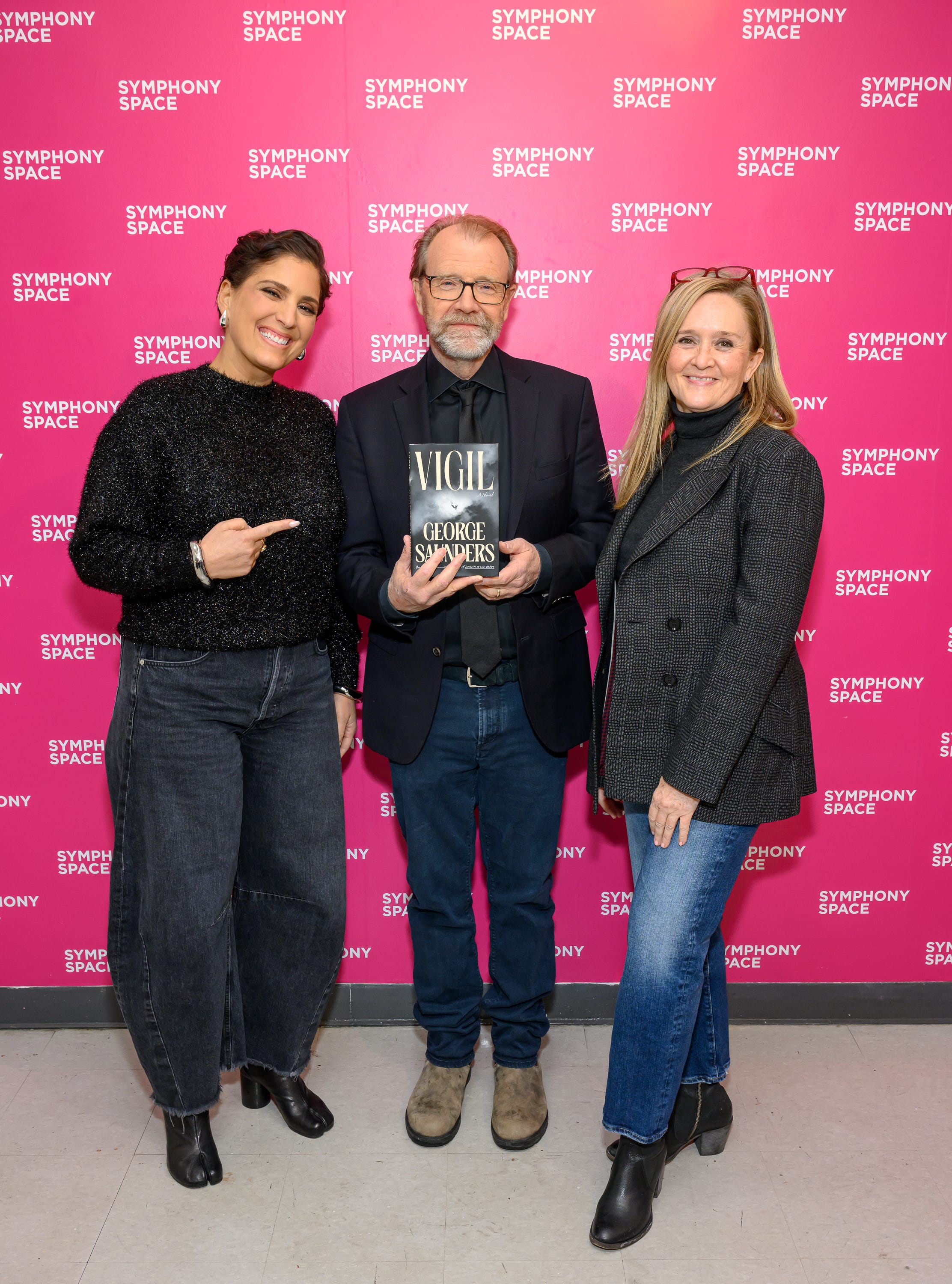
Special and heartfelt thanks to Nana Kwame Adjei-Brenyah, Suleika Jaouad, and Samantha Bee, who joined me onstage in Brooklyn (Nana) and at Symphony Space (Suleika and Samantha) and, with their boundless generosity, made those events so memorable and magical. And thanks to Stephen Colbert and his incredible team, for having me on last night.
I highly recommend Nana’s WISLY and Suleika’s The Isolation Journals for anyone interested in expanding their artistic horizons and being in touch with two truly remarkable souls.
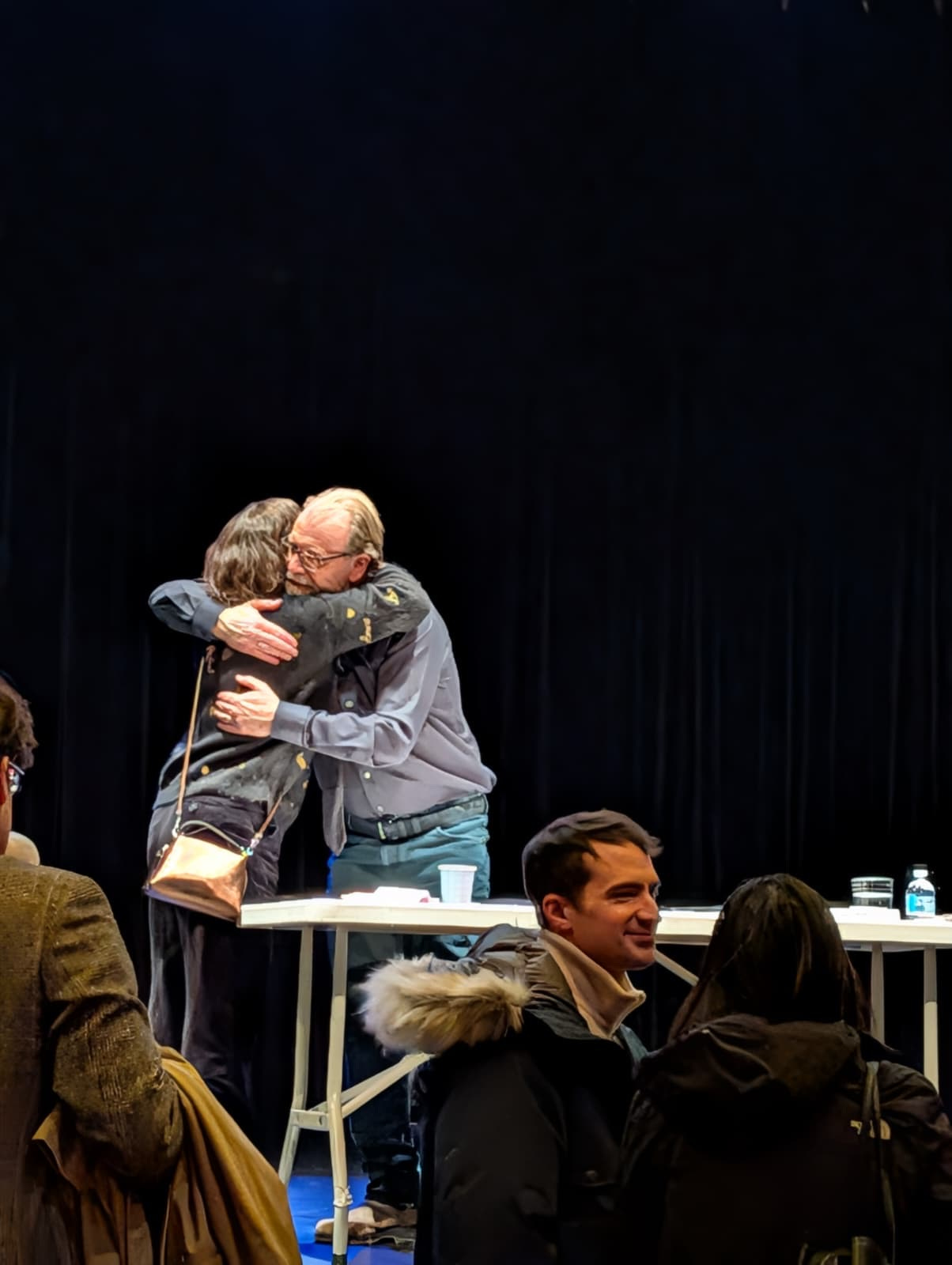
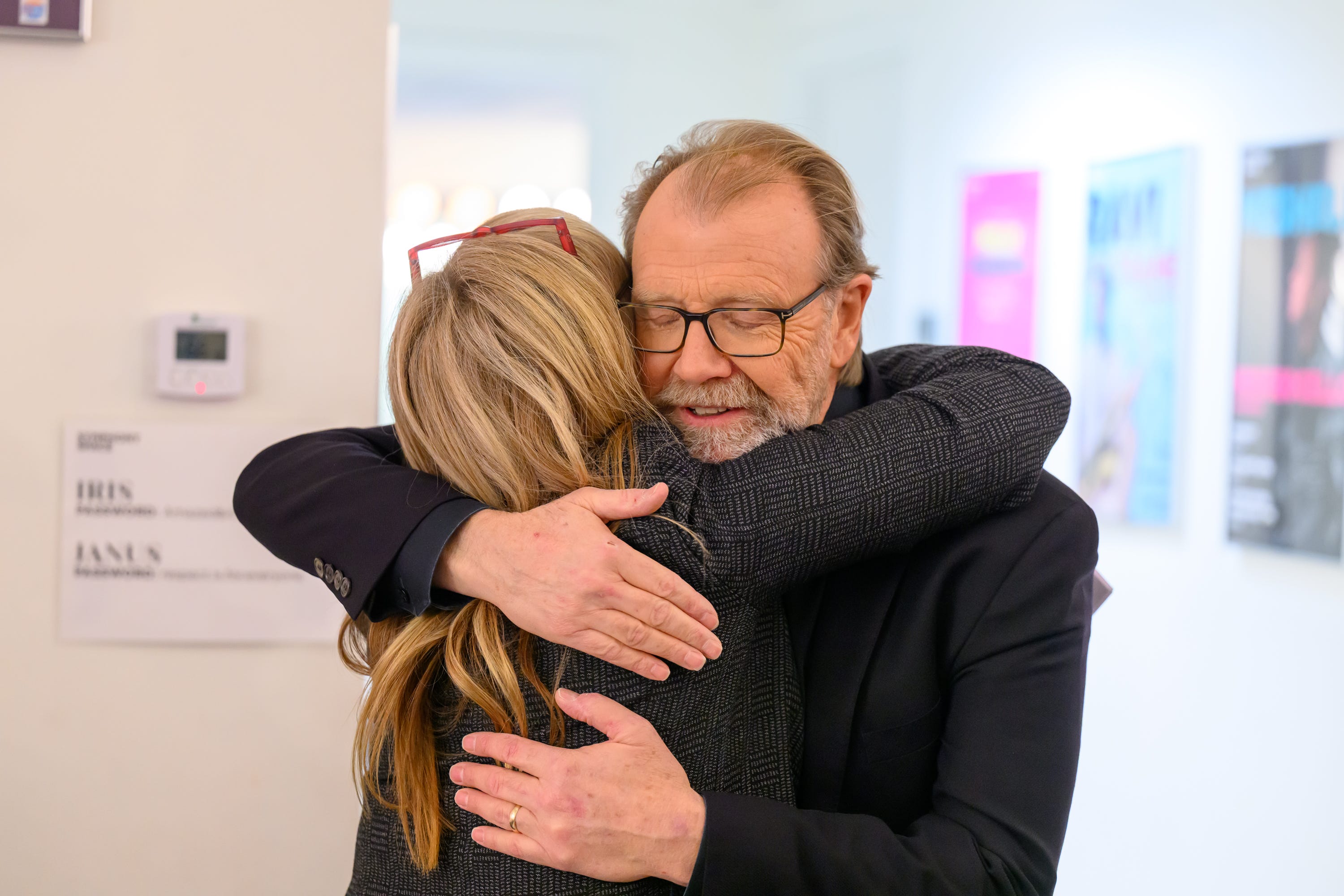
Oh, and I also got to meet our beloved Story Club editor Samantha Storey in person, at the Symphony Space event, and I think we both got a little emotional – Samantha has read and edited every post here for the last four years. She is vital to the beautiful thing we have going here and I couldn’t do it without her. Thank you, Samantha.
Now for our question of the week…

Q.
Hi George,
Before anything, thank you for sharing your work. As a writer, I sometimes encounter art that makes me think, “I didn’t know you were allowed to do that.” These works widen my sense of what’s possible and make me feel like more of my own strangeness might be allowed onto the page. Your art continuously does that for me, so thank you.
I’m a relatively new reader of yours. I found you through A Swim in the Pond in the Rain after my third failed attempt at reading War and Peace. As a current MFA applicant (though sadly not at Syracuse, I fear I lack the constitution for the climate), I learned so much from your analysis of the stories, but more than anything, it was your unbridled enthusiasm that endeared me to you. After Swim, I am loath to admit I again forsook Tolstoy to dive into your fiction.
One question from “Victory Lap” has stayed with me. In Alison’s sections, what was the purpose of the French breaks, lines like Jeté, jeté, rond de jambe. Pas de bourrée? I don’t mean the presence of French itself, which feels organic and endearing to her, but the way in which these moments interrupt the narrative flow. Are you deliberately keeping the sidecar at a distance, or is it an invitation to lean closer? I don’t believe it was an active thought while writing, but it survived the edits, so it must serve some purpose. I am experimenting with how far I can keep a reader while still keeping them engaged, and I wanted to see how much distance was a factor in writing this particular story.
A.
Right, I love this question because, on the heels of our recent editing exercise, it gives us a chance to discuss some things (“moves,” techniques) for which there are no names (but maybe there should be).
Let’s confine ourselves to the first two occurrences of these French phrases, which are, of course, phrases used in classical ballet to describe certain positions or moves.
As those of you who’ve read “Victory Lap” will recall, we’re in the head of a young girl who is alone at home, waiting for her mother to pick her up and take her to her dance recital.
Here’s the first occurrence (she’s talking to herself here, in an inner monologue):
Do the thing where, facing upstairs, hand on railing, you hop down the stairs one at a time, which was getting a lot harder lately, due to, someone’s feet were getting longer every day, seemed like.
Pas de chat, pas de chat.
Changement, changement.
Hop over thin metal thingie separating hallway tile from living-room rug. Curtsy to self in entryway mirror. Come on, Mom, get here. We do not wish to be castrigated by Ms. Callow again in the wings.
Although actually she loved Ms. C…(and then she goes off into some thoughts about Ms. Callow and her town….)
So, when I’m doing this particular point-of-view (which I sometimes think of as “third-person ventriloquist”) I try to project myself into the head, and assume the diction of, the character. Here, the job was to imagine myself as young Alison. In this case, I would have been imagining myself at that age, in our house in Oak Forest, Illinois, and that led me to remember a period where, wild about hockey, I used to “skate” around our linoleum-tiled kitchen in my socks, pretending I was on the Chicago Blackhawks, narrating the game, in which I was a hero, to myself, in my head. Ah, youth!
When I went to do my imitation of Alison, I just swapped “dance” in for “hockey.” I knew these terms, I think, from my wife, Paula, who was a dancer.
So, I’m imagining her moving around and, at the same time, yapping to myself (herself) in a voice I am, in that moment, making up/finding for her, which will then, in revision, be edited and refined – it’s like she’s teaching me her voice, through the edits, which are also done by ear, to taste, for fun – like I’m performing it (although I don’t do this “performing” aloud, just in my head).
So: all intuitive, a form of improv, or “doing a voice,” done on the fly, no real intention except to make a fun and lively and hard-to-deny (even if puzzling) surface.
This improv channels some performers I loved when I was younger – George Carlin, Lily Tomlin, Carol Burnett, Flip Wilson, Red Skelton – that whole tradition in which the comic would take on the voice and mannerisms of some slightly exaggerated but somehow lovable example of humanity.
But looking at the story after the fact (i.e., now) and because you asked, dear Questioner, I notice that those interjections might be said to serve a couple of purposes.
First, in a story that is almost all internal monologue, those interjections keep the action moving. They give the reader some action to imagine.
Earlier in the story, we’ve seen Alison “pause at the top of the stairs” and, by paragraph five she’s still standing there. Then she hops down the stairs one at a time. The first two French phrase (“Pas de chat, pas de chat. Changement, changement.”) should cause us to picture her starting to dance, there on the stairs.
None of this motion is particularly meaningful – it just felt better to have her moving, in order to help you, the reader, imagine (and believe in) her.
The second thing these interjections do is…well, they make a nice rhythm, at least in my head. They give the reader a little staccato break from all that inner monologue. Which is to say: I just liked the sound and feel of it as I was making it up. (It occurred to me and, in each successive re-read, I liked it.) I also liked that fact that she’s saying these phrases to herself, like someone who’s just learned then, and feels proud, and maybe newly sophisticated to have acquired this specialized knowledge.
Third, with that last “changment,” the fact that she’s moving gave me the idea or inclination to keep her moving, down into the living room.
So, I understand this passage as a monologue with a modicum of movement suggested, just enough to forestall the reader from thinking, “Sheesh, this is all monologue and no action.”
That is, I don’t see these phrases as “interrupting the narrative flow” – they are the narrative flow, or an integral part of it. (I don’t really think in terms of “narrative flow,” I guess, but just of the way the prose is hitting the reader.)
As I write this, I’m realizing that my internalized aesthetic has some ideas about the idea mix between external action and inner monologue (with the former “justifying” the latter) and is always looking for ways to attain that balance.
The second occurrence works in a similar way:
…That was amazing! If you had a friend on Gladsong, you already knew where everything was in his or her home.
Jeté, jeté, rond de jambe.
Pas de bourrée.
On a happy whim, do front roll, hop to your feet, kiss the picture of Mom and Dad taken at Penney’s back in the Stone Ages, when you were that little cutie right there {kiss} with a hair bow bigger than all outdoors.
Sometimes, feeling happy like this, she imagined a baby deer…(and we’ve transitioned into another, and sort of elaborate, fantasy sequence).
When I read this aloud, for an audience, I always put a little pause after “in his or her home,” and then after each of the French phrases – a chance for the reader to gather herself before the next onslaught of internality.
I notice here that, again, the two dance moves put her into motion and then I felt inclined to keep her moving (do that front roll) which then slightly alters the landscape, or expands our view of the home she’s in.
So I feel a slight advancement in her progress through the house, made in exchange for a burst of internal monologue to follow. The move is basically: she changes position or does some physical thing….she thinks….she changes position or does some physical thing.
All of this explanation/justification is (way) after the fact. The editing that I would have done around this passage would have been entirely by ear, with the sound and cadence of the prose in mind, just trying to keep a modicum of physical movement happening.
I do this whenever I’m writing one of these “third-person ventriloquist stories that take place in the mind of a character (examples of this mode might be “ The Falls,” “The Barber’s Unhappiness” or “Al Roosten.”)
I like to make prose that is a little unstable, that makes the reader lean in a little. I could have said, you know, “There on the stairs, Alison, in her recital costume, performed several dance moves she had learned in her class, the French names of which she had recently learned.”
I say that I write “by ear” but that isn’t quite right – it is partly sound and partly the way the words look on the page. I am always aware that you, dear reader, will be receiving the text in that same way – part by sight, and part by that strange voice in your head that is silent and yet can be, uh, heard.
As I’m thinking about this, I’m realizing that one of my goals, almost always, is to make variation in the prose – high and low diction, jargon, typographical tics, foreign phrases. This is, again, in hopes that the reader will be compelled and charmed enough to keep going. I’m also a fan of density. I kind of think of this as controlled cacophony…like when you walk by a bar and hear a few distinct conversations, and music, and a pinball machine – all of it somehow just beyond direct comprehension and yet somehow not entirely unmeaningful and even sort of poetic, or sublime. This, as opposed to the sound of someone quite rational droning on from in there…
Thoughts?
As always, thanks for being here…
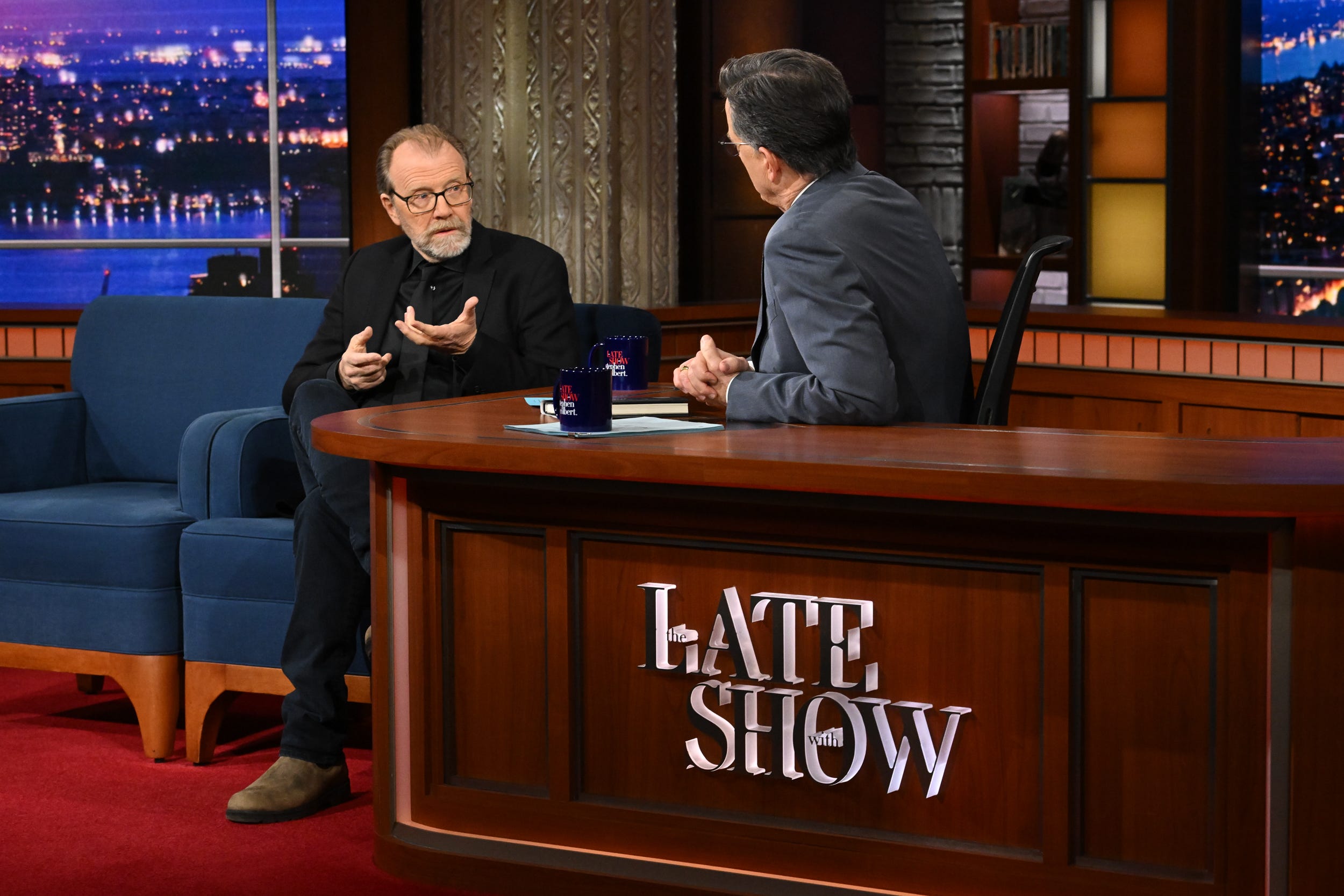
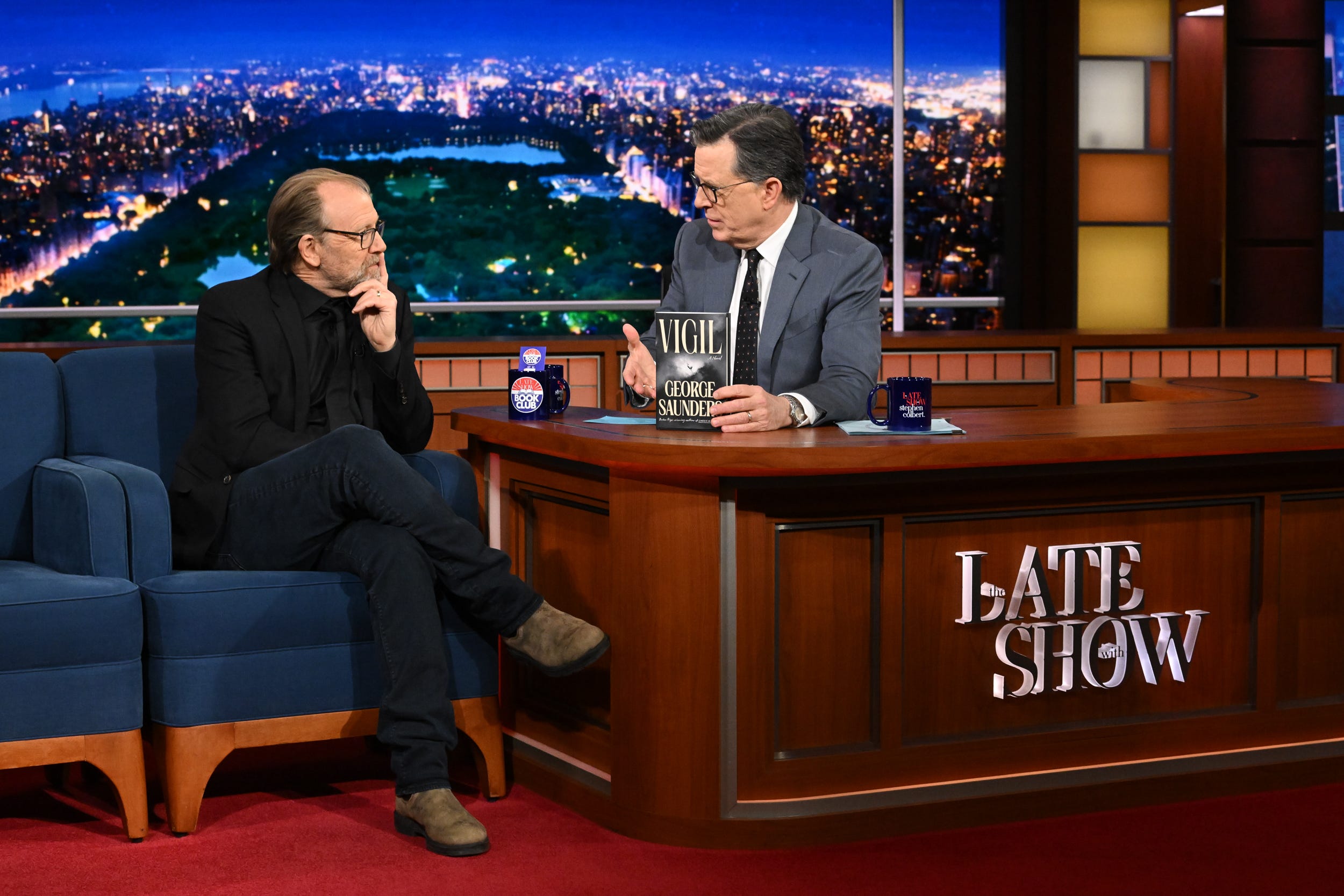
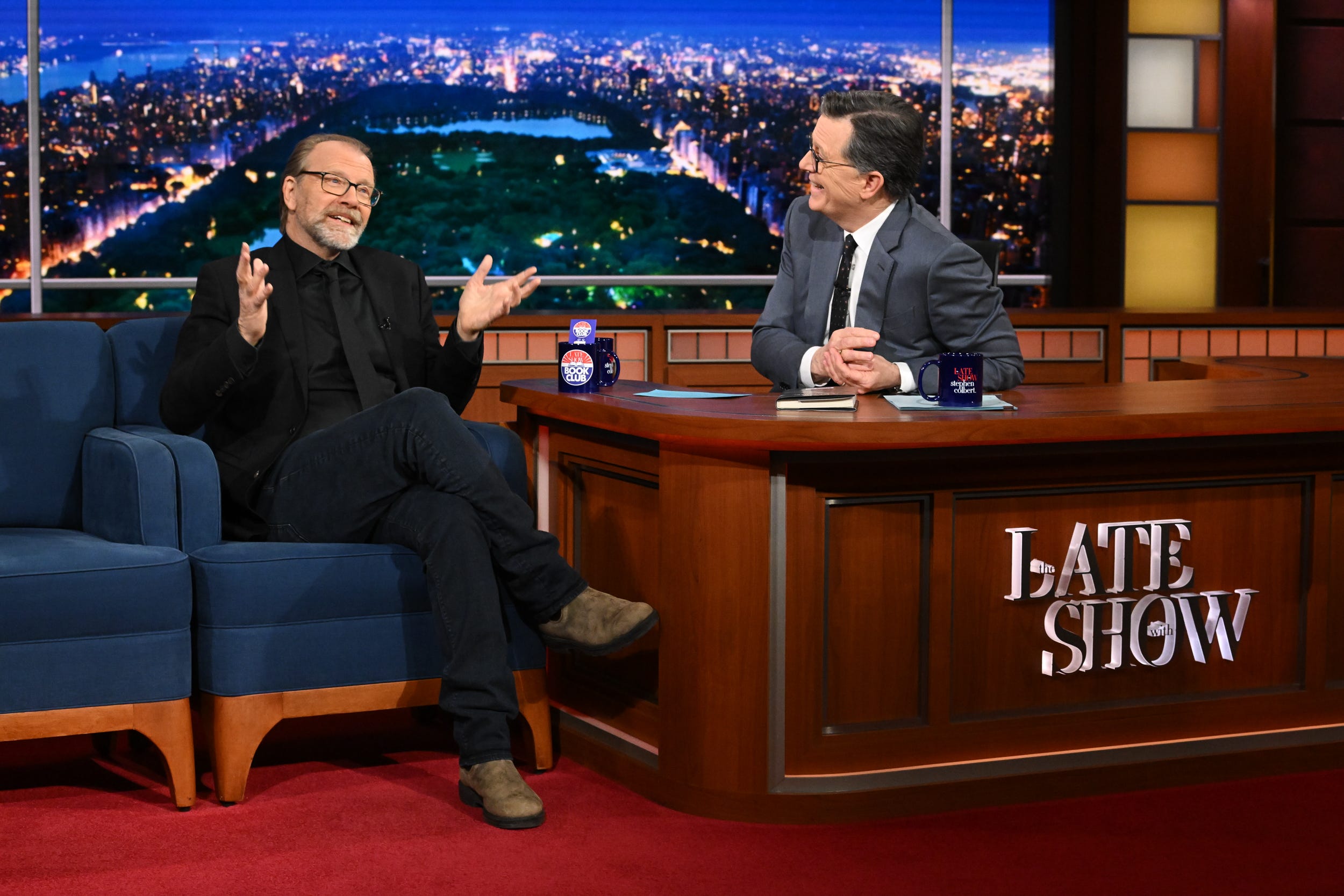
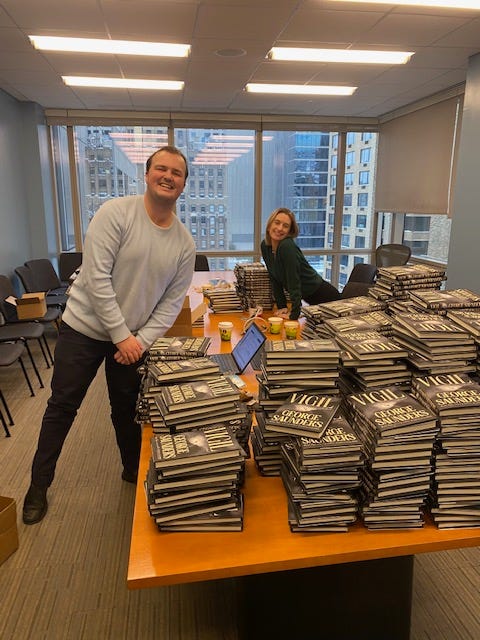
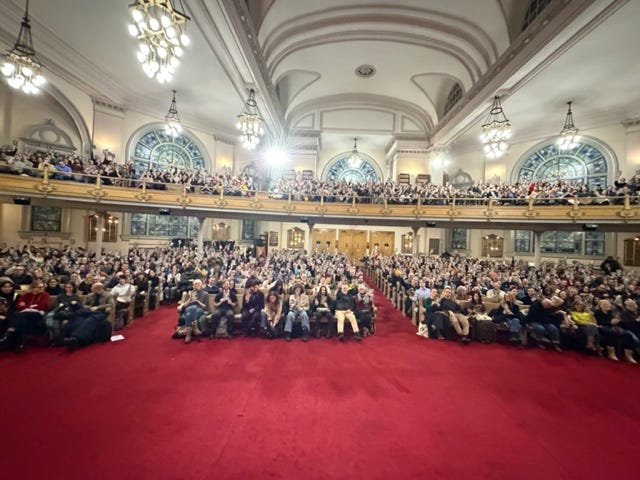
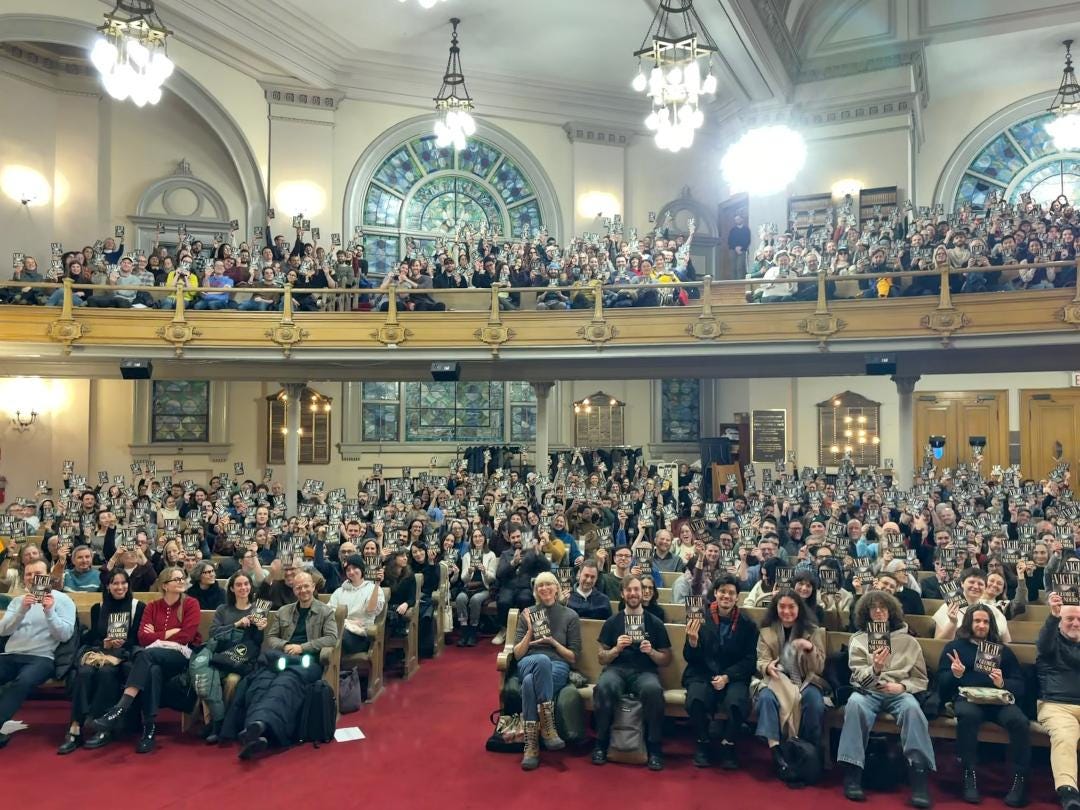
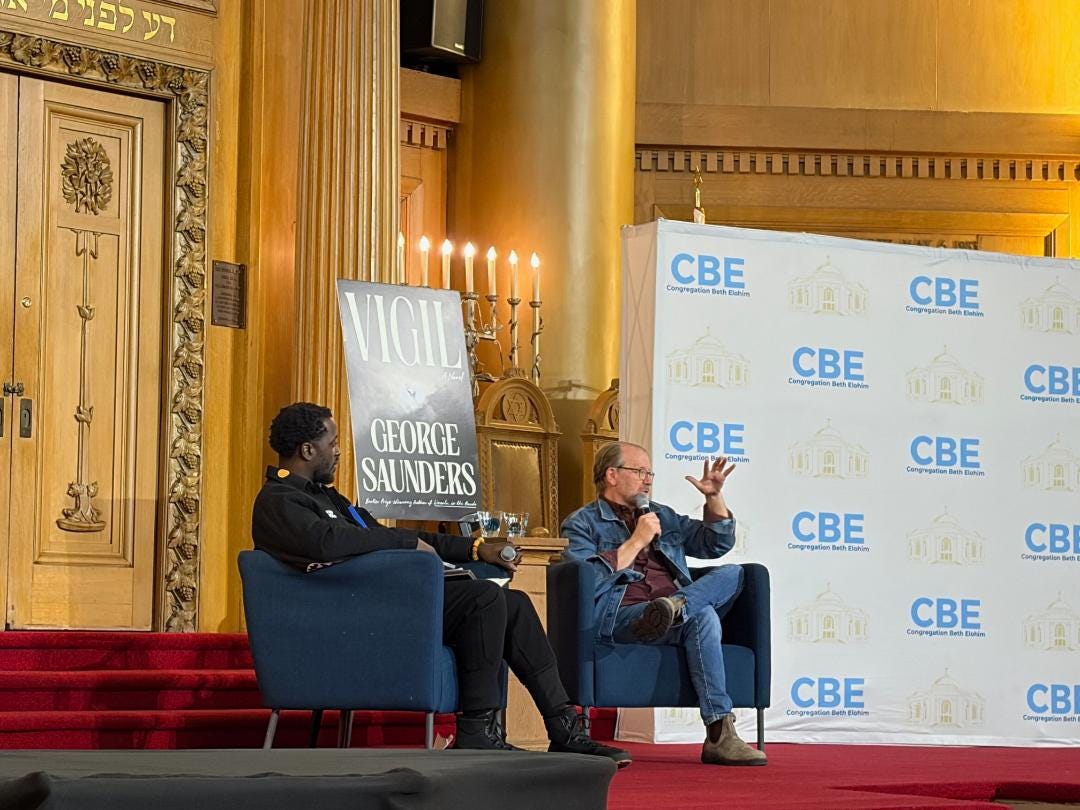

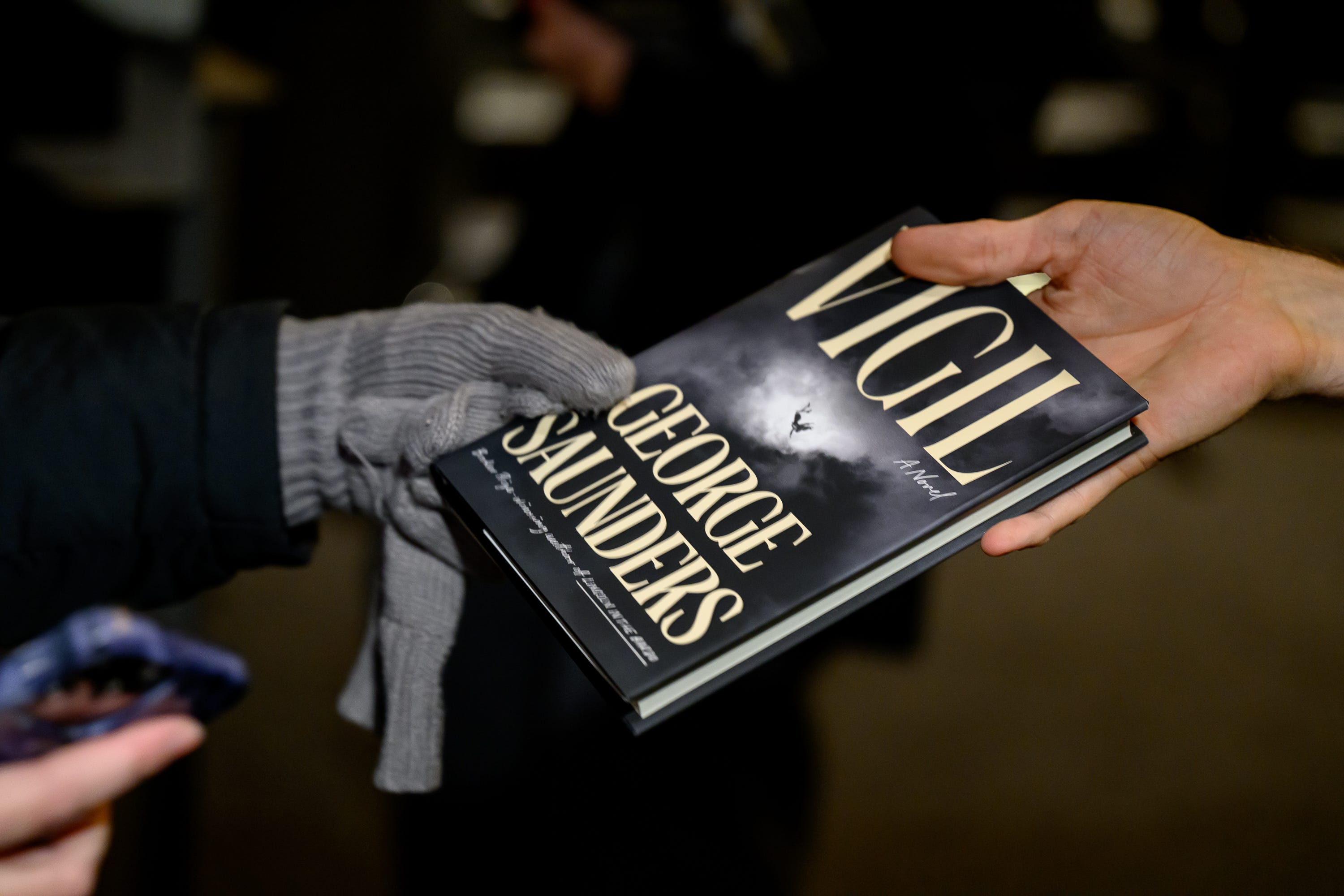
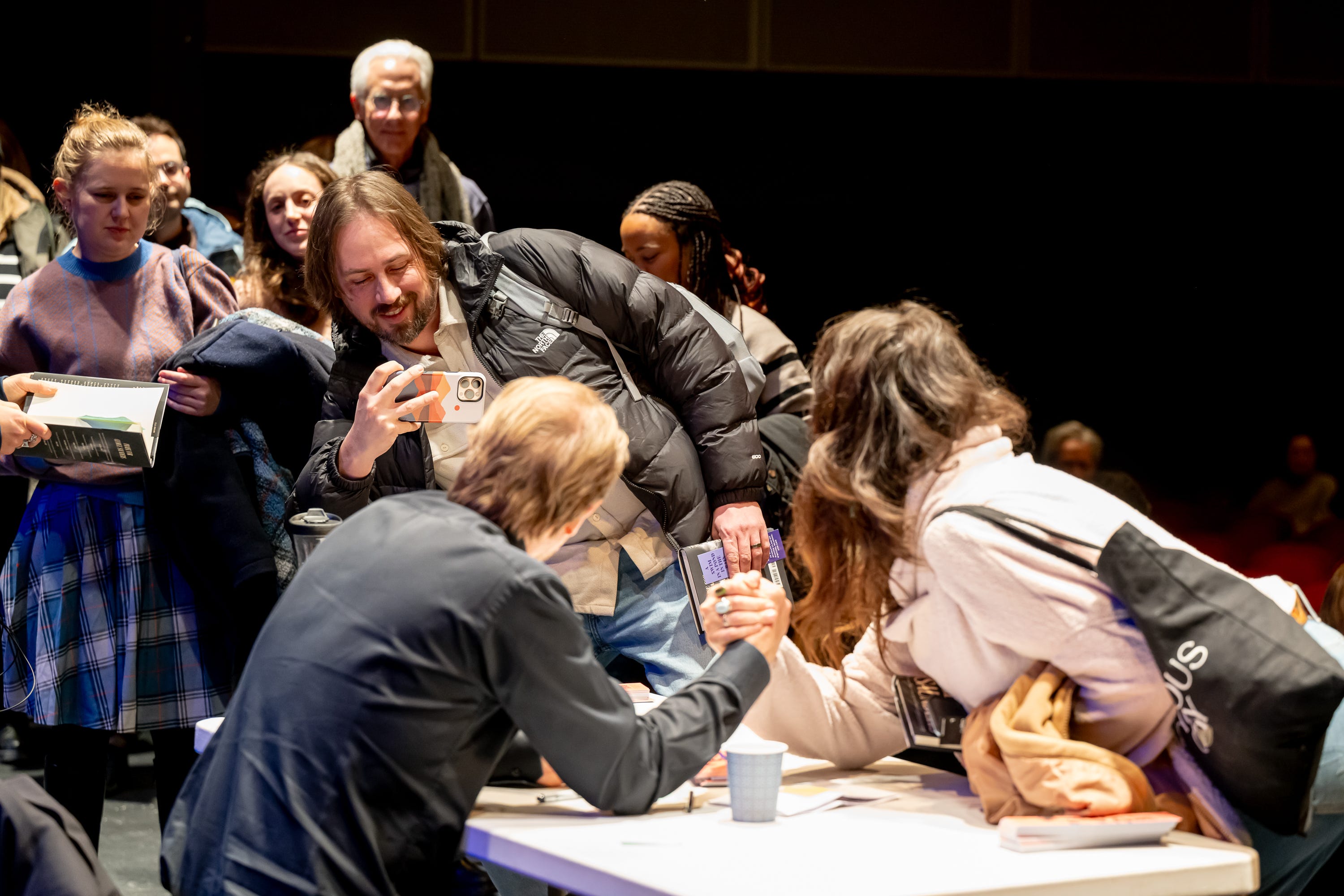
(All photos below here are credited to Sean Sime and are from the Symphony Space event):

Going tonight in Boston with a friend driving 3.5 hours from Vermont. Rain, snow, freezing temps etc wouldn’t keep us away! Hearts full of sunshine. Can’t wait!
I’m a little more than halfway through Vigil, but Jill might be my favorite character in all of Mr. Saunders’s writing so far. There’s a sweet, ever-present vulnerability to her that I didn’t expect (considering what she is and what she does). I find myself consciously taking my time as I read/inhabit her mind, and I feel a bit reluctant to leave her.